
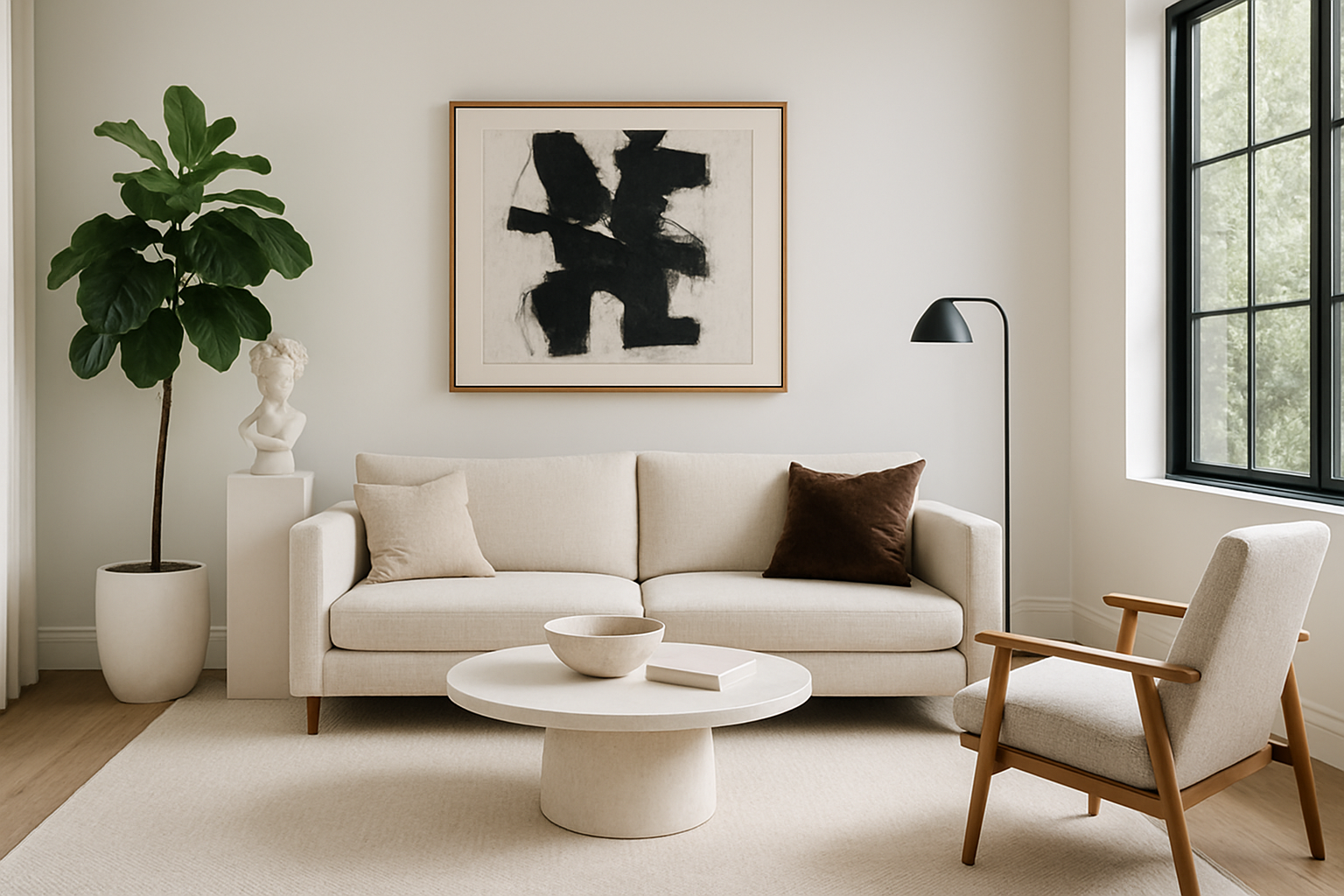
A designer once pointed out that the most recognizable celebrity interiors share a surprisingly simple trait: they look edited. There’s usually a dramatic light fixture, a sofa with real presence, and a palette that feels chosen rather than collected by accident.
What this covers
- What celebrity style actually looks like in a real home
- The design signatures that show up again and again
- How to choose a celebrity style that fits your home
- Where most celebrity-inspired rooms go wrong
- Furniture, lighting, and finishes that do the heavy lifting
- Why scale and symmetry matter more than people think
- Color, texture, and the art of keeping it interesting
- Styling the room without making it feel staged
- The fastest changes that make the biggest difference
- Where to start this week
That’s why celebrity style is so appealing. It suggests glamour without chaos. If you want your home to look polished, photogenic, and still livable, the goal isn’t copying a mansion in Beverly Hills room for room. It’s borrowing the cues that make those spaces feel intentional.
What celebrity style actually looks like in a real home
Celebrity-inspired interiors aren’t really about spending wildly. They’re about a few unmistakable cues: a strong focal point, polished materials, layered lighting, and rooms that feel edited rather than crowded. Think of the homes you see in design magazines or on social media. They usually have one thing in common: every choice looks intentional.
The trick is translating that feeling into something livable. That means choosing the details that create glamour, calm, or drama without making your home feel like a set.
In practice, that often means fewer pieces with more impact. A single large artwork can do more for a living room than six small prints. A well-made rug can ground the space better than a lot of decorative extras. The look comes from confidence, not clutter.
The design signatures that show up again and again
Some celebrity interiors lean sleek and minimal; others feel plush, moody, and dramatic. But most of them borrow from the same playbook.
- Oversized statement lighting, like sculptural pendants or chandeliers
- Rich textures such as velvet, boucle, marble, brass, and natural wood
- Large-scale art or photography instead of lots of small decor
- Custom-looking built-ins, millwork, or cabinetry
- A restrained color palette with one or two standout accents
These elements make a space feel expensive even when the budget isn’t. They create visual clarity, so the room reads as designed instead of collected at random.
You’ll see this in plenty of recognizable products too: a Saarinen-style pedestal table in a dining nook, a Kelly Wearstler lamp on a console, or a RH sectional upholstered in something soft and neutral. The name matters less than the effect. Each piece feels like it belongs there.
How to choose a celebrity style that fits your home
Not every celebrity aesthetic works in every house. A glossy Beverly Hills look can feel awkward in a compact apartment, and a dark, moody townhouse style can overwhelm a home with little natural light. Start with the architecture and the light you already have. Celebrity Home Interiors That Shape Modern Luxury digs into that specific problem.
Then decide what kind of mood you want. Do you want quiet luxury, old-Hollywood glamour, modern minimalism, or a warm, resort-like feel? Once you name the mood, the rest gets easier.
A bright condo with low ceilings usually does best with pale walls, streamlined furniture, and reflective finishes like mirror or polished nickel. A house with tall windows and crown molding can handle deeper paint colors, heavier drapery, and more sculptural pieces. The right style should feel like it belongs to the bones of the home.
Match the style to the architecture
A home with high ceilings, tall windows, or historic details can handle more drama. A smaller or newer space often benefits from cleaner lines, lighter finishes, and fewer competing patterns.
Choose one dominant aesthetic, not five
Celebrity homes often look cohesive because they commit. Mixing too many references at once can make the room feel confused. Pick one core direction, then layer in a few supporting details.
Where most celebrity-inspired rooms go wrong
The biggest mistake is confusing “expensive-looking” with a room full of expensive things. That usually leads to clutter, awkward proportions, and a space that feels more performative than personal. Without some restraint, the look falls apart.
Ignoring scale is another common problem. A tiny rug, an undersized sofa, or too many small accessories can make even a beautiful room feel unfinished. Celebrity-style spaces usually rely on fewer, larger pieces that anchor everything.
Then there’s the copycat problem. If every item comes from the same viral source, the room can start to feel generic fast. The better approach is to borrow the idea, not the exact product. A boucle chair from Article, a linen drape from West Elm, or a vintage brass mirror from Chairish can each play the same visual role in a different way.
There’s also a practical downside to some celebrity looks: glossy finishes show fingerprints, dark paint can make dust more obvious, and oversized furniture can crowd circulation if you’re working with an awkward layout. Style has to work for everyday life too.
Furniture, lighting, and finishes that do the heavy lifting
If you’re trying to create a celebrity-style home, these three categories matter most. They shape the room before accessories ever enter the picture.
Furniture with presence
Look for pieces with clean silhouettes, generous proportions, and tactile fabrics.
A deep sofa in boucle, a curved lounge chair, or a dining table with a dramatic base can change the room’s energy right away.
Sectionals from places like Crate & Barrel or RH often work because they feel substantial without looking fussy. In smaller rooms, even one hero piece can set the tone: an Eames lounge chair replica in the corner, a travertine coffee table, or an upholstered bed with a tall headboard.
Lighting that feels intentional
Layered lighting is a hallmark of polished interiors. Combine overhead lighting with table lamps, sconces, and floor lamps so the room feels warm at night and visually balanced during the day.
This is where many homes miss the mark. One harsh flush mount won’t give you that polished look. Try a large pendant over the dining table, matching lamps on either side of a sofa, and dimmable bulbs from brands like Philips Hue or GE Relax so you can change the mood at night.
Finishes that add quiet luxury
Brushed brass, honed stone, matte paint, fluted wood, and reeded glass all suggest refinement without shouting. Use them sparingly and consistently so the home feels cohesive.
If your budget is tight, focus on touchpoints people notice up close: cabinet hardware from Rejuvenation, a honed marble tray on the coffee table, or satin paint on trim instead of flat white everywhere. Small material upgrades can change how the whole room reads.
Why scale and symmetry matter more than people think
Celebrity style often looks effortless because the proportions are right. A large mirror above a console, matching lamps flanking a sofa, or a centered pendant over a dining table can make even a simple room feel designed. (We unpack that separately in Inside Celebrity Homes.)
That doesn’t mean everything has to be perfectly symmetrical. It means the room should feel visually balanced. If one side is heavy, the other side should answer it somehow — with height, texture, or light.
A good test is to step back and squint at the room. If your eye keeps jumping around without settling anywhere, something is off in scale or placement. Try swapping in one larger rug, raising wall art higher, or replacing several small objects with one substantial vase or bowl.
Color, texture, and the art of keeping it interesting
A celebrity-style home doesn’t have to be neutral, but it usually feels controlled. That’s where color discipline helps. Start with a base palette of two or three tones, then add contrast through materials rather than too many bright colors.
Texture does a lot of the work here. A soft rug, a glossy side table, linen drapes, a velvet chair, and a stone surface can add depth without making the room feel busy. That’s usually what polished homes are doing: they’re interesting up close and calm from across the room.
You might pair warm white walls with walnut accents and black metal details for a modern look. Or use cream upholstery, aged brass, and smoked glass for something softer and more glamorous. What matters is keeping the look consistent from room to room so the house feels connected instead of assembled one purchase at a time.
Styling the room without making it feel staged
Accessories should look collected, not over-arranged. The best celebrity-style rooms usually rely on a few strong objects rather than lots of small ones fighting for attention.
Try grouping books with one sculptural object on top instead of filling every surface. Use trays to corral remotes and candles on coffee tables. Add fresh flowers when you want softness; branches in a ceramic vase can work just as well if you prefer something simpler. The longer version of this argument is in Famous Celebrity Homes and Their Signature Style.
A useful rule: if every surface has something on it, remove one item from each area. Let some space breathe. Negative space gives expensive materials room to stand out.
The fastest changes that make the biggest difference
If you want celebrity style without renovating everything at once, start where people notice first: lighting, textiles, and art. Those three changes affect the mood right away.
- Replace small rugs with one correctly sized rug for each major seating area.
- Swap basic ceiling lights for something sculptural or architectural.
- Hang one large artwork or photograph instead of several tiny frames.
- Add matching lamps to create balance on consoles and side tables.
- Use fuller curtains mounted higher than the window frame to make ceilings feel taller.
You don’t need every upgrade at once. Trying to do everything at once usually makes the result less convincing. One well-placed change can shift how the whole house feels.
Where to start this week
If you want your home to feel like it belongs in a design spread without losing comfort, begin with one room and one focal point. Measure your rug size correctly if it’s too small now; choose one large piece of art; or replace a mismatched lamp pair with something cleaner and more substantial. That single decision will tell you what direction the rest of the room should take.
Then walk through your home with fresh eyes and ask yourself which surfaces are doing too much work and which ones need more structure. Pick one room to edit this week and choose one item that gives it real presence—what would yours be?