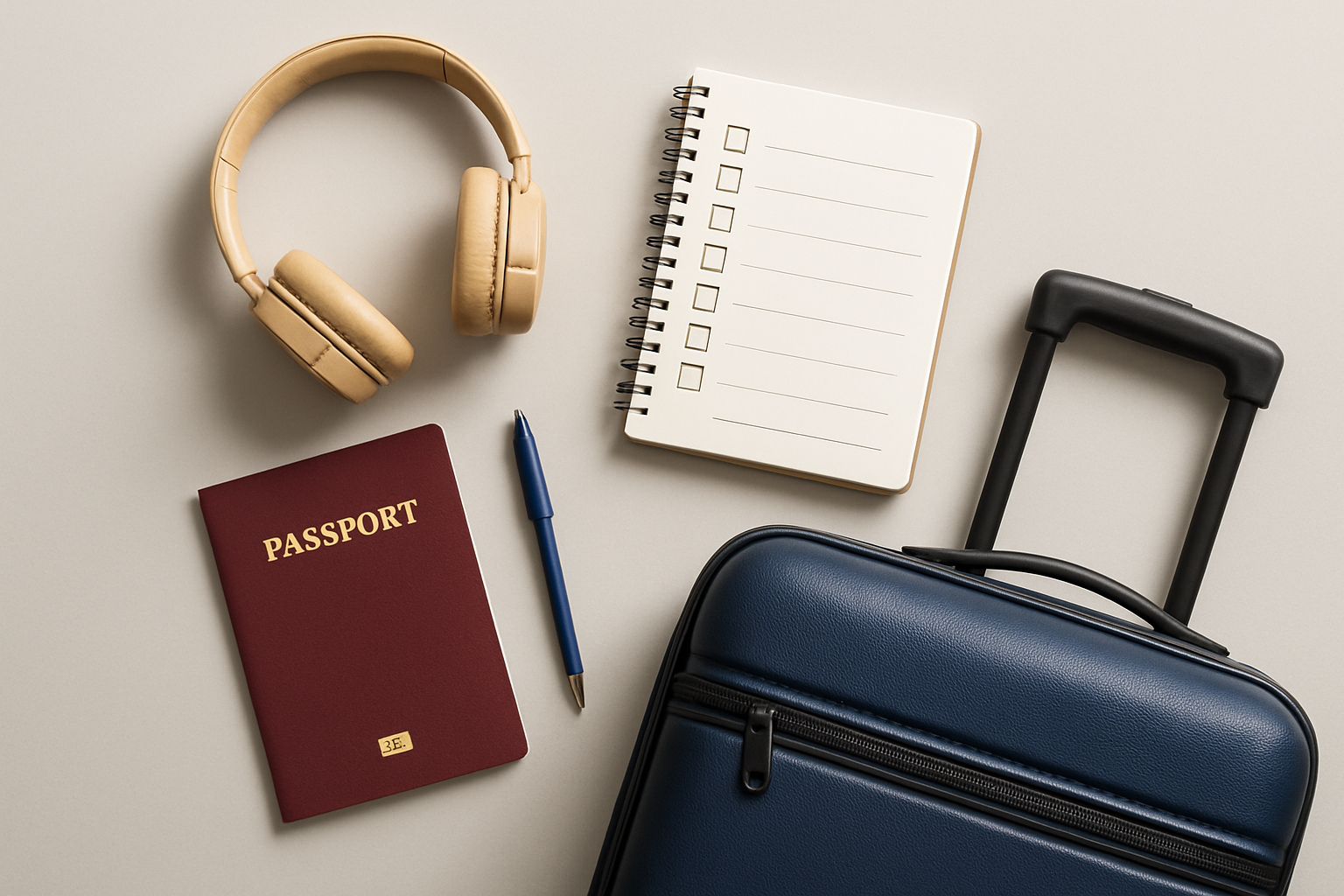
You know you’ve packed too much when the bag is heavier on the way out than your laundry basket is on the way home. A pair of extra shoes, a backup sweater, “just in case” toiletries, and a charger you’ll never use can add up fast. Packing light takes a little discipline, but the payoff is immediate: less hauling, fewer decisions, and a lot less time wrestling with your luggage.
What this covers
- Why your bag gets heavy so fast
- What packing light really looks like in practice
- Build a trip-specific packing list
- Choose a small bag first, then pack into it
- Clothes that do more than one job
- Toiletries and electronics: where extras multiply
- The 3-item rule that keeps bags lean
- What to wear on travel day
- Why rolling isn’t the whole answer
- Use laundry to cut your load
- A few habits that make lighter packing easier next time
- What to leave behind first
- Your next packing test
This guide shows how to pack light for any trip without feeling underprepared. The goal is simple: bring what you’ll actually use and leave the rest behind.
Why your bag gets heavy so fast
The weight usually sneaks in item by item. One more top. One more pair of socks. A second jacket because the forecast looks uncertain. Then there’s the toiletries bag, which seems harmless until it contains full-size shampoo, body wash, sunscreen, and three different creams.
Most overpacking comes from trying to solve every possible problem before you leave. That sounds sensible, but it leaves you with backup items that never come out. A lighter bag starts with accepting that you don’t need to prepare for every scenario.
What packing light really looks like in practice
Packing light means choosing items that earn their place. Each one should serve a clear purpose, work with other items in your bag, or cover more than one situation. If it doesn’t do any of those things, it’s probably just taking up space.
For most trips, that means fewer duplicates and fewer “what if” items. It also means you can move through airports, train stations, and hotel lobbies faster, which is worth something all by itself.
Build a trip-specific packing list
The easiest way to avoid overpacking is to stop packing from memory. A beach weekend, a work conference, and a hiking trip all need different things, even if they’re the same length.
Start with categories: clothing, toiletries, electronics, documents, and one small comfort item if you want it. Then trim each category based on the actual trip.
- Check the forecast for the days you’ll be away, not just the average weather for the city.
- Write down whether you’ll need exercise clothes, dressier outfits, or outdoor gear.
- Note what your hotel, rental, or host already provides.
- Remove anything you can easily buy, borrow, or skip.
Choose a small bag first, then pack into it
One of the simplest ways to pack light is to let the bag set the limit. If you start with a huge suitcase, you’ll almost certainly fill it. A carry-on or compact weekender forces better decisions.
This works because the container changes your thinking. Instead of asking what else can fit, you start asking what truly belongs there.
Clothes that do more than one job
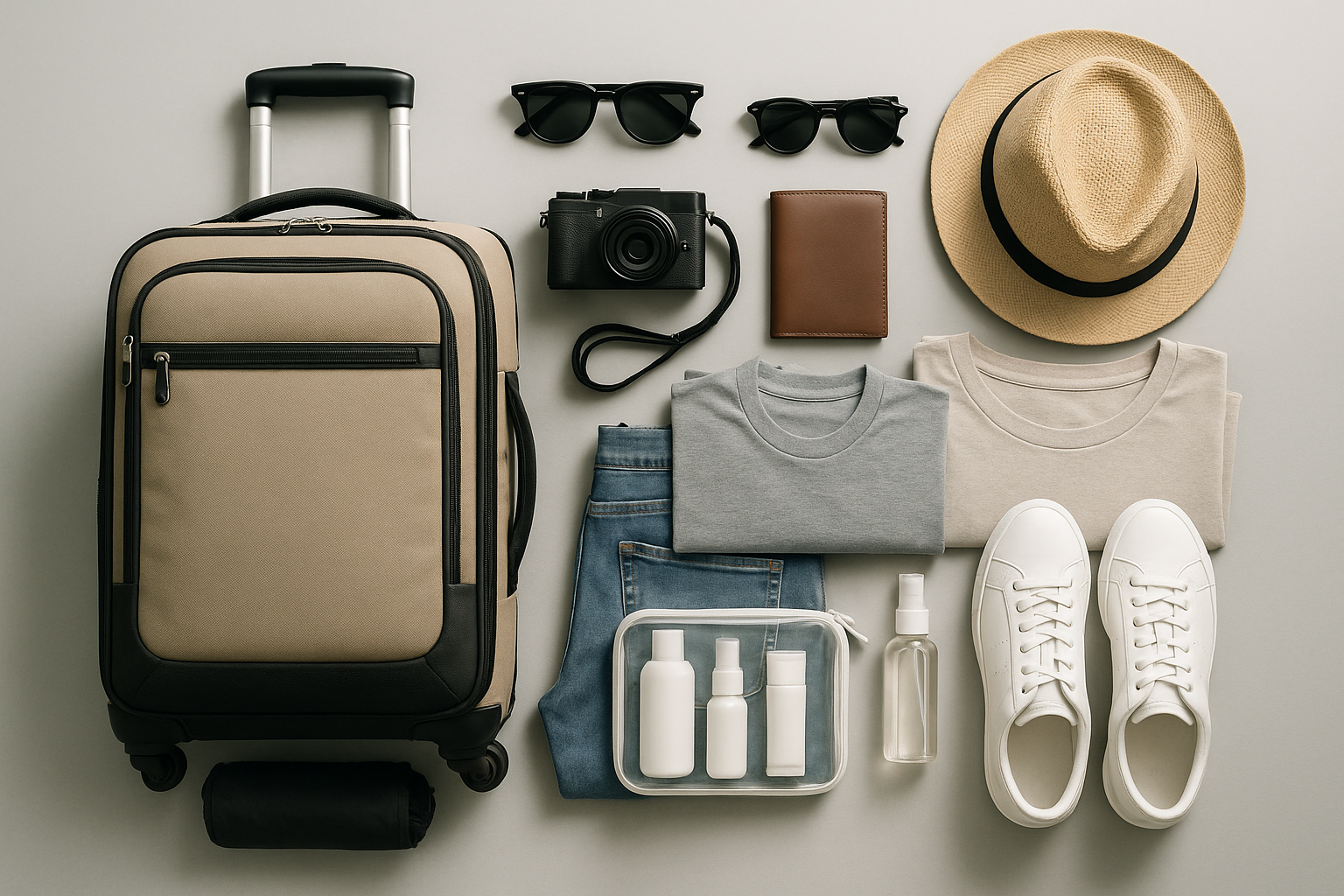
Clothing is where many people overpack, because outfit planning feels uncertain. The fix is to choose pieces that mix easily and can be worn in more than one context. Neutral basics usually work harder than statement items that only match one thing.
Build around a small color palette so everything coordinates. Black, navy, gray, white, olive, and beige all travel well because they pair with nearly anything. If you want an accent color, keep it to one item or two at most.
Pick fabrics that recover well
Wrinkle-resistant fabrics save space and reduce the need for backup outfits. Merino wool, performance blends, and some knits can be worn more than once without looking tired. That matters on longer trips when laundry isn’t convenient.
Plan outfits, not options
Lay out complete outfits before anything goes into the bag. If a shirt doesn’t work with at least two bottoms or one layer you’re already bringing, question whether it needs to come along. This step feels slow for five minutes and saves you from carrying dead weight for five days.
Toiletries and electronics: where extras multiply
These categories look small until you gather them together. Full-size bottles, duplicate chargers, and backup gadgets add weight fast. A travel-size toothpaste from Target or Boots weighs almost nothing; a half-full shampoo bottle doesn’t.
For toiletries, take only what you know you’ll use. For electronics, stick to the basics: phone, charger, headphones, and maybe a power bank if you’ll be out all day or using maps constantly.
A compact Anker battery pack or Apple MagSafe battery pack is enough for many trips.
Also check whether your destination already covers part of this list. Many hotels provide hair dryers and basic soap. Some rentals have laundry detergent or even beach towels. That’s space you don’t need to spend if you verify it before packing.
The 3-item rule that keeps bags lean
A useful filter is to ask whether each item passes one of three tests: necessity, versatility, or replacement value. If it isn’t necessary, doesn’t do more than one job, and can be replaced easily, leave it out.
This works especially well for “maybe” items. The extra pair of heels, the second jacket, the backup paperback, the third charging cable—most of those fail all three tests once you look at them honestly.
What to wear on travel day
Travel day is free space. Wear the bulkiest shoes, the heaviest layer, and anything that would otherwise fill half your suitcase. A denim jacket or hoodie takes up less room on your body than in your carry-on.
There’s a practical upside too. Airports and planes can run cold, and trains aren’t always warm either. If you’re already wearing the bulky stuff, your bag gets lighter and you stay more comfortable.
Why rolling isn’t the whole answer
Rolling clothes can help organize a bag and make items easier to see. Compression cubes can do something similar. But neither one fixes the real problem if you’ve packed too much in the first place.
The biggest space savings come from cutting item count. A neatly rolled stack of six shirts still takes room. Three shirts do better than six every time. (Related: Self-Guided Day Trips That Are Easy to Follow)
Use laundry to cut your load
If your trip lasts more than a few days, plan around washing clothes once instead of packing for every day. A hotel sink wash with a travel detergent sheet from brands like Tide or Tru Earth can handle underwear, socks, and lightweight tops in a pinch.
You can also choose clothing that dries quickly overnight. That gives you more flexibility without adding much weight. It’s especially useful for longer stays, where it’s tempting to pack a fresh outfit for every day just to avoid doing laundry later.
A few habits that make lighter packing easier next time
Keep a note on your phone after each trip with what you actually used and what stayed untouched. Did you wear all three pairs of shoes? Did that extra sweater sit in the bag the whole time? Those details are worth remembering because they tell you what to leave out next time. (More on this in Self-Guided Tours: Tips for Stress-Free Travel.)
You can also build a small travel kit that stays packed between trips: refillable containers from Muji or Cadence capsules, a universal adapter if you travel internationally, and a slim tech pouch for cords and earbuds. When the basics are already organized, you’re less likely to throw random extras into the suitcase at the last minute.
What to leave behind first
If you’re staring at an open suitcase and don’t know what to cut first, start with duplicates. Two “nice” tops become one good top quickly when space is limited. Extra shoes are another common culprit; they’re bulky and rarely earn their keep unless the trip has a specific dress code or activity requirement.
Next, remove anything that only solves an unlikely problem. The spare book can stay home if your phone has offline downloads. The big toiletry bottle can be replaced with a travel-size version bought after security or at your destination.
Your next packing test
Packing light gets easier when you treat it like editing, not sacrificing comfort. Each trip tells you more about what actually belongs in your bag and what only looked useful on paper.
This week, pick one upcoming trip and pack for it with a smaller bag than usual, then leave out one item you’d normally bring “just in case.”