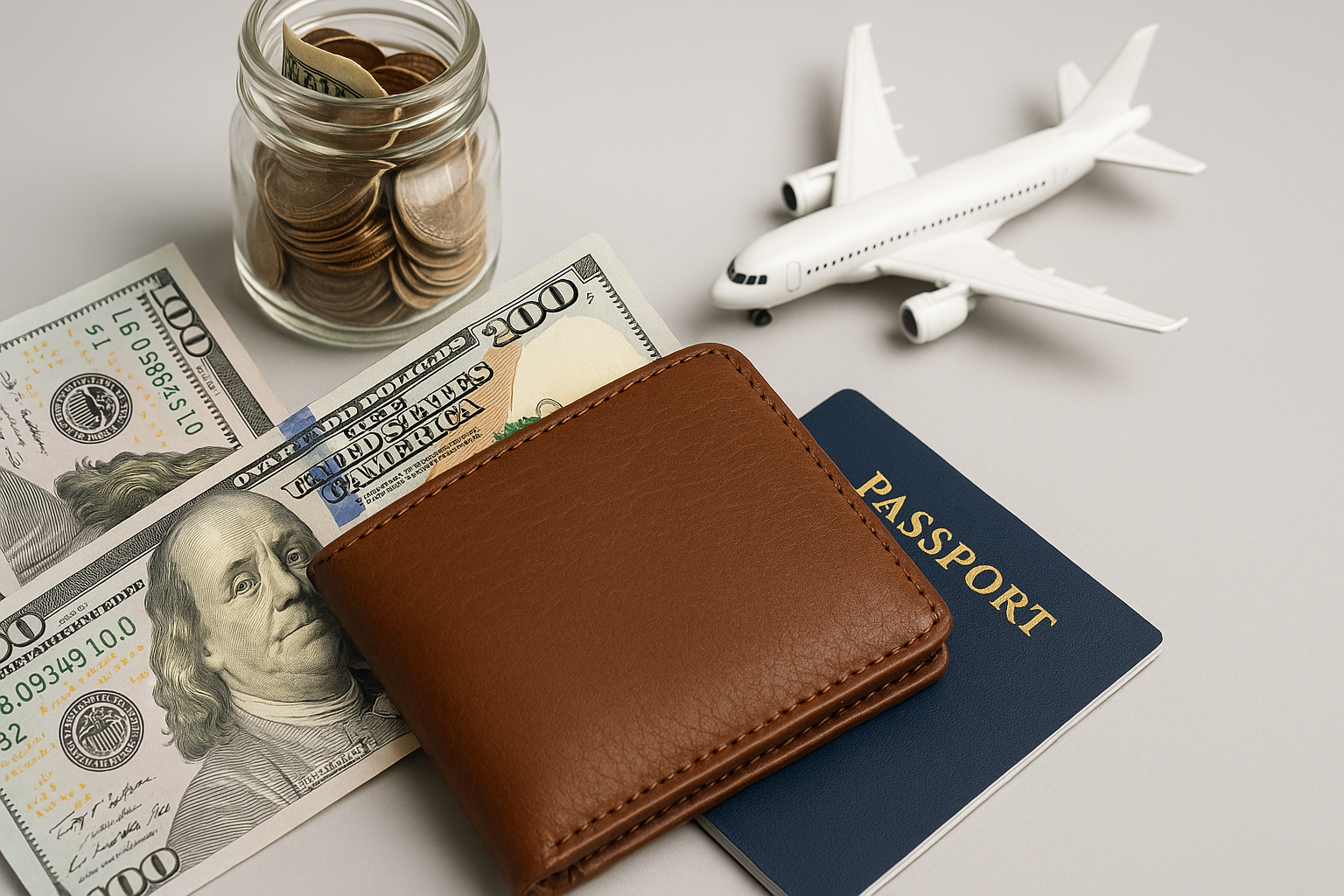
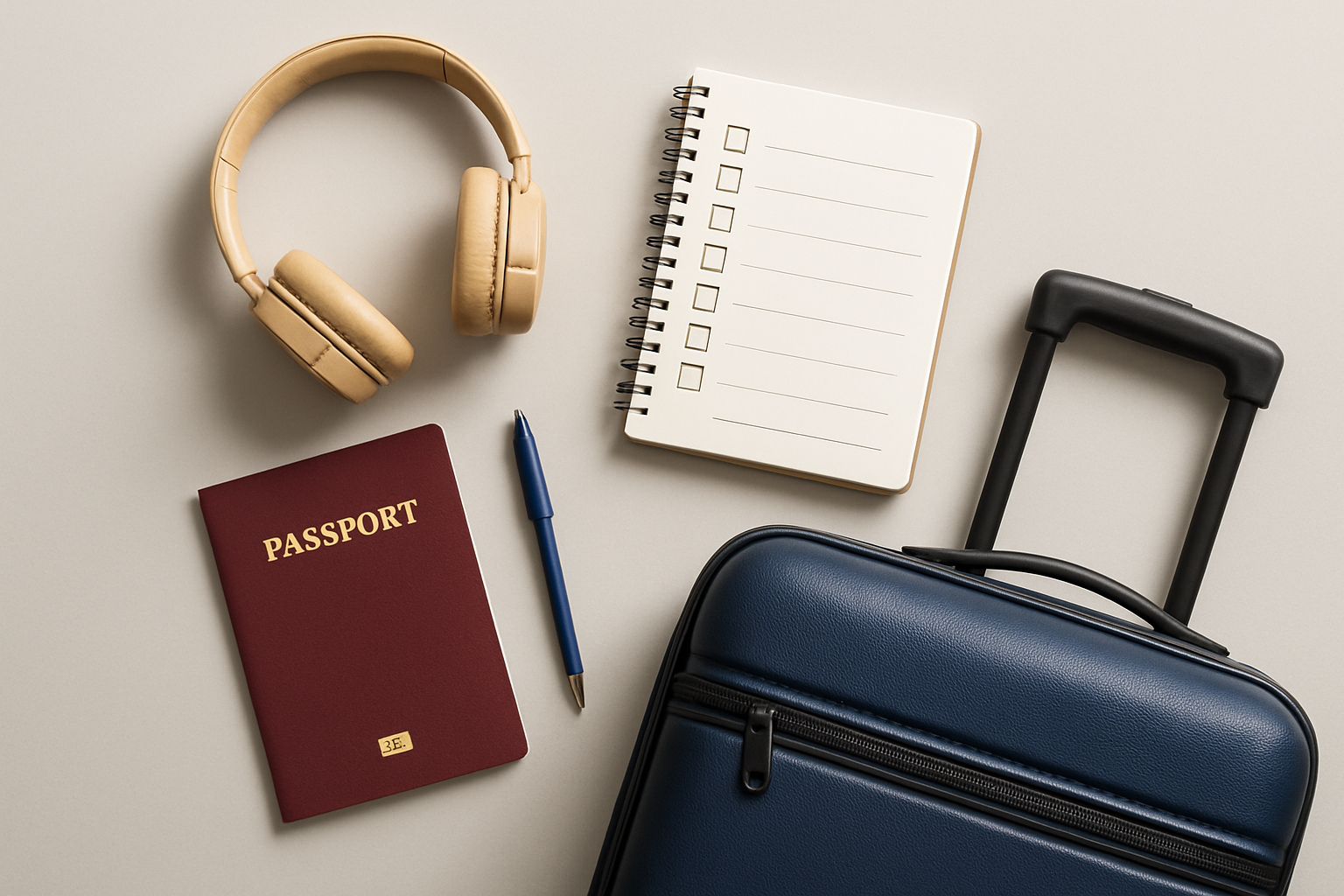
A boarding pass buried in an email inbox can cost you real time at the airport. So can a passport left on the kitchen counter, a dead phone at security, or a carry-on that turns out to be 2 kilos over the limit. A good travel checklist keeps those small problems from piling up when the clock’s already against you.
📋 In this article:
- What a smooth departure actually looks like
- Why departures go sideways at the last minute
- The departure checklist that saves time and stress
- Timing, traffic, and the buffer most people skip
- What to pack the night before vs. what to leave for the morning
- When a checklist needs a few smart adjustments
- Where to start if you want calmer travel days
What a smooth departure actually looks like
A smooth departure doesn’t feel impressive while it’s happening. It looks ordinary: you arrive with enough time, your documents are within reach, your bag closes without a wrestling match, and you’re not digging through pockets for a charger while the gate agent calls final boarding.
That calm usually comes from a simple routine. Confirm the flight. Pack the right items. Charge everything. Check the rules. Leave with a buffer.
Why departures go sideways at the last minute
Most travel stress shows up in the final hour because people assume they’re already ready. They haven’t downloaded the boarding pass, they still need to print a visa form or find a hotel confirmation, and they’re not checking the terminal. It only takes one missing piece to slow everything down.
I’ve seen trips go off course over something small: a phone with no signal after landing, a liquids bag that needed repacking at security, a rideshare that arrived ten minutes late, or a forgotten ID sitting next to yesterday’s receipts. The pattern’s usually the same. People packed their clothes, but they didn’t finish the departure.
Being ready means confirming, packing, charging, checking, and leaving early enough that traffic or a long bag-drop line won’t throw off the whole plan.
The departure checklist that saves time and stress
Use this as a working order, not a rigid rulebook. The point is to cut down on decisions when you’re already on the move.
- Confirm flight time, terminal, and boarding gate.
- Check passport, ID, visa, and any required travel documents.
- Download boarding pass and offline copies of key reservations.
- Pack essentials in carry-on: medications, wallet, phone, charger, keys, and one change of clothes if needed.
- Charge devices and bring a power bank if allowed.
- Review baggage limits, liquids rules, and airline-specific restrictions.
- Set alarms and plan your leave time with traffic or transit in mind.
- Handle home tasks: lock doors, empty trash, adjust thermostat, and pause mail if necessary.
Documents and bookings to confirm first
Start with the items you can’t easily replace at the airport. That means your passport, ID, visa if required, and any entry forms tied to your destination. For international trips, it also helps to check expiry dates well before departure day; some countries want months of validity left on a passport.
Then look at the practical booking details: airline confirmation number, hotel address, rental car reservation, train ticket if your trip includes one, and any local transport plan from the airport. Keep these in your email, but save offline copies too. Apple Wallet and Google Wallet are useful here, and so is a simple screenshot stored in your photos. There’s a fuller breakdown of this in How to Avoid Jet Lag on Long Flights.
Carry-on essentials you’ll actually need
Your carry-on should cover the first several hours of travel without forcing you to open checked luggage. Put your phone, charger cable, power bank if permitted by your airline, wallet, medication, headphones, tissues, pen, snacks, and keys where you can reach them quickly. A small toiletries kit with lip balm and hand sanitizer can make a long transit day less irritating.
If there’s a chance your checked bag is delayed, add one change of clothes and any must-have items such as contact lenses or prescription medicine. A refillable water bottle is handy too, though you may need to empty it before security. Nobody wants to buy an overpriced bottle at the gate because they packed poorly.
Home tasks that stop the post-departure panic
A tidy departure also means handling what you’re leaving behind. Lock the doors and windows. Take out anything perishable if you’ll be gone long enough for it to spoil. Set the heating or air conditioning so you’re not paying to cool an empty apartment all week.
If you have pets, make sure food, water, and sitter instructions are set before you leave. If deliveries might arrive while you’re away, pause the mail or ask someone to collect it. Those small steps can save you from the worst kind of travel memory: remembering at baggage claim that you left the iron on.
Timing, traffic, and the buffer most people skip
Leaving “on time” sounds sensible until a highway slowdown, train delay, or parking shuttle adds fifteen extra minutes. Airport lines don’t care that your calendar was tight. Neither does a long check-in queue during holiday travel or a bag-drop bottleneck on Friday evening.
The better plan is to build in a buffer that fits the trip. Domestic flights may need less margin than international departures, but peak season changes everything. Early morning flights can also run on tired brains and slow coffee lines. Check live traffic before you leave home, and if you’re relying on public transit or a rideshare service like Uber or Lyft, factor in cancellation risk and wait times. (How to Pack Light for Any Trip has the full walkthrough.) Self-Guided Tours: Tips for Stress-Free Travel picks up where this section leaves off.
What to pack the night before vs. what to leave for the morning
A clear split between evening tasks and morning tasks keeps your head from filling up with tiny decisions. Pack what you can early so the final hour stays simple.
- Night before: clothes, documents, chargers, liquids, medicine, bag weighing, airport transport booking.
- Morning of: toiletries, last-minute snacks, water, wallet check, device charge top-up, final room sweep.
A 6 a.m. departure needs more done the night before because your judgment will be worse at dawn. A noon flight gives you more room to handle final checks after breakfast. Either way, keep the last-hour list short. If there are ten things still floating around in your head at breakfast time, something got left too late.
When a checklist needs a few smart adjustments
The core list stays the same for most trips, but some journeys need extra layers. Traveling with kids usually means snacks within easy reach, spare clothes in case of spills, wipes, and a little entertainment for waiting areas. A tablet loaded with downloaded shows can help more than one toy packed at random.
International departures deserve another look at passports, visas, customs forms, and connection times. Business travel often needs laptop chargers, presentation files saved offline, and meeting notes ready before you leave home. If your trip has multiple legs or separate airlines booked on different tickets, give yourself even more space between connections; missed bags and rebooking headaches are far easier to avoid than repair.
Where to start if you want calmer travel days
The easiest first move is to turn this into a saved note on your phone or a printed sheet kept with your travel bag. Use it once, then trim anything you never actually touch and add the items you always forget. A portable charger from Anker or Belkin may earn permanent status in your routine after one saved scramble at Gate B14.
Your next departure doesn’t need to feel rushed just because travel days are unpredictable. Pick one trip this week to test a checklist version that includes documents, carry-on essentials, home tasks, and a real buffer for traffic. Which item do you usually forget first?