A commuter steps off a train with a paper map folded in a pocket, a phone battery at 78%, and a route that doesn’t need a tour guide hovering nearby. That’s usually what people mean when they say a day trip is easy to follow: the transport makes sense, the landmarks are easy to read, and the day still works if lunch runs long or one stop takes longer than expected.
Skip ahead:
- What “easy to follow” actually means on a self-guided day trip
- The 3 features that make a day trip genuinely low-stress
- How to plan the route without overplanning
- Why does the best self-guided trip often feel slower than you expected?
- What to pack so the day stays simple
- Self-guided day trips that usually work well
- Where most self-guided plans fall apart
- A simple checklist for the night before
Self-guided day trips work best when most of the decisions are made before you leave. You want enough structure to feel grounded, but not so much that the day turns into a clock-watching exercise. The goal is a trip that stays smooth from start to finish, with room for a detour if a café looks good or the weather shifts.
What “easy to follow” actually means on a self-guided day trip
Some trips are naturally friendlier to independent exploring than others. A compact town, a rail station close to the center, or a riverside route with obvious turning points tends to make the whole day feel lighter. If you can point to your next stop without guessing, you’re already halfway there.
Easy to follow also means fewer decisions while you’re out. You’re not trying to solve transport puzzles at every corner or search for a hidden backstreet entrance that’s marked only on one obscure blog. The best self-guided days rely on clear clues in the real world: a market square, a church spire, a waterfront path, or a main road that leads straight back to the station.
The 3 features that make a day trip genuinely low-stress
Some destinations suit self-guided exploring better because they reduce friction from the start. If you pay attention to a few practical features before booking, the day usually feels far less fragile.
Simple arrival and departure logistics
A direct train from Central Station, a frequent bus line, an easy park-and-walk lot, or even a short taxi hop from the station can make all the difference. When getting in and out is straightforward, you don’t spend the morning worrying about missed connections or the evening staring at timetables.
This is one reason places served by reliable rail links often work so well. You arrive somewhere like Bath Spa, York, Leiden, or Windsor and can start walking almost immediately. No complicated transfer chain. No long search for where the shuttle leaves from. Just a clear beginning and end.
A route built around landmarks, not guesswork
The easiest routes are anchored by things you can actually see. A riverbank path, a cathedral tower, a main square, or a heritage street with good signage gives your brain something stable to work with. You don’t need to keep checking your phone if the next turn is obvious from the scenery.
That kind of orientation matters more than many people expect. A route based on visible landmarks is forgiving. If you miss one turning, you can usually recover within a block or two without feeling lost.
Enough structure to stay on track, enough freedom to wander
A self-guided day trip works best when it has a few anchor points: arrive here, eat there, visit one or two places in between. That’s enough to keep the day coherent. It also leaves space for the small surprises that make travel memorable, like a local market, an open church, or a bakery that smells too good to ignore.
Too much structure makes the day brittle. Too little and you waste energy deciding what comes next. The easiest trips sit between those extremes.
How to plan the route without overplanning
Start with one arrival point, one lunch area, and two or three anchor stops. That’s usually enough. If you can explain the whole day in three sentences, your plan is probably clear enough to follow without constantly checking notes.
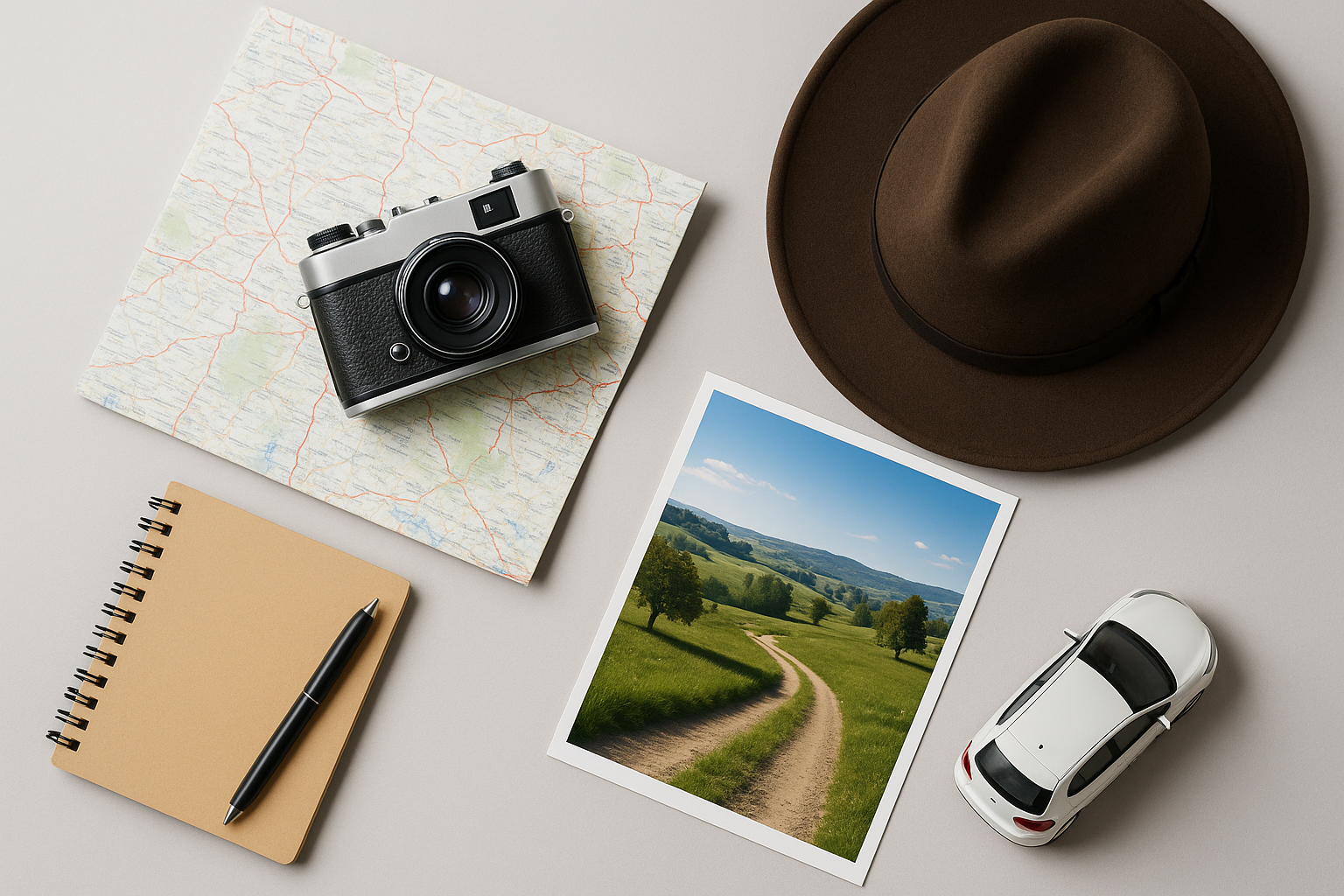
Choose stops that cluster together instead of scattering yourself across an entire city. Check opening hours before you go, especially for museums, gardens, and seasonal sites that close earlier than you’d expect. Build in one backup stop in case rain, queues, or tired feet change your plans. Save offline maps in Google Maps or Apple Maps, and keep key addresses in your notes app so you’re not relying on signal.
- Pick destinations within a walkable cluster rather than spread across a whole city.
- Check opening hours before you leave, especially for museums, gardens, and seasonal sites.
- Build in one backup stop in case weather, queues, or fatigue change the day.
- Save offline maps and key addresses so you’re not dependent on signal.
A good plan should feel almost boring on paper. That’s usually a strong sign it’ll be easy to follow once you’re there.
Why does the best self-guided trip often feel slower than you expected?
You might think a self-guided day trip should be efficient because nobody’s waiting for the group to catch up. In practice, the best ones often move more slowly than people expect. That slower pace leaves room for coffee breaks, photo stops, and the little detours that make a place feel less like a checklist and more like an actual day out.
Rushing creates its own problems. Missed platforms happen when you’re hurrying through a station. Lunch gets skipped when every stop has been squeezed too tightly together. By mid-afternoon, decision fatigue sets in and even simple choices feel annoying. A slower pace gives you room to notice details like shopfront signs, tiled station walls, or the way a harbor changes with the tide.
Do you really need to see five attractions in one day? Usually not. Two good stops and an unrushed walk between them will often leave you happier than six rushed ones.
What to pack so the day stays simple
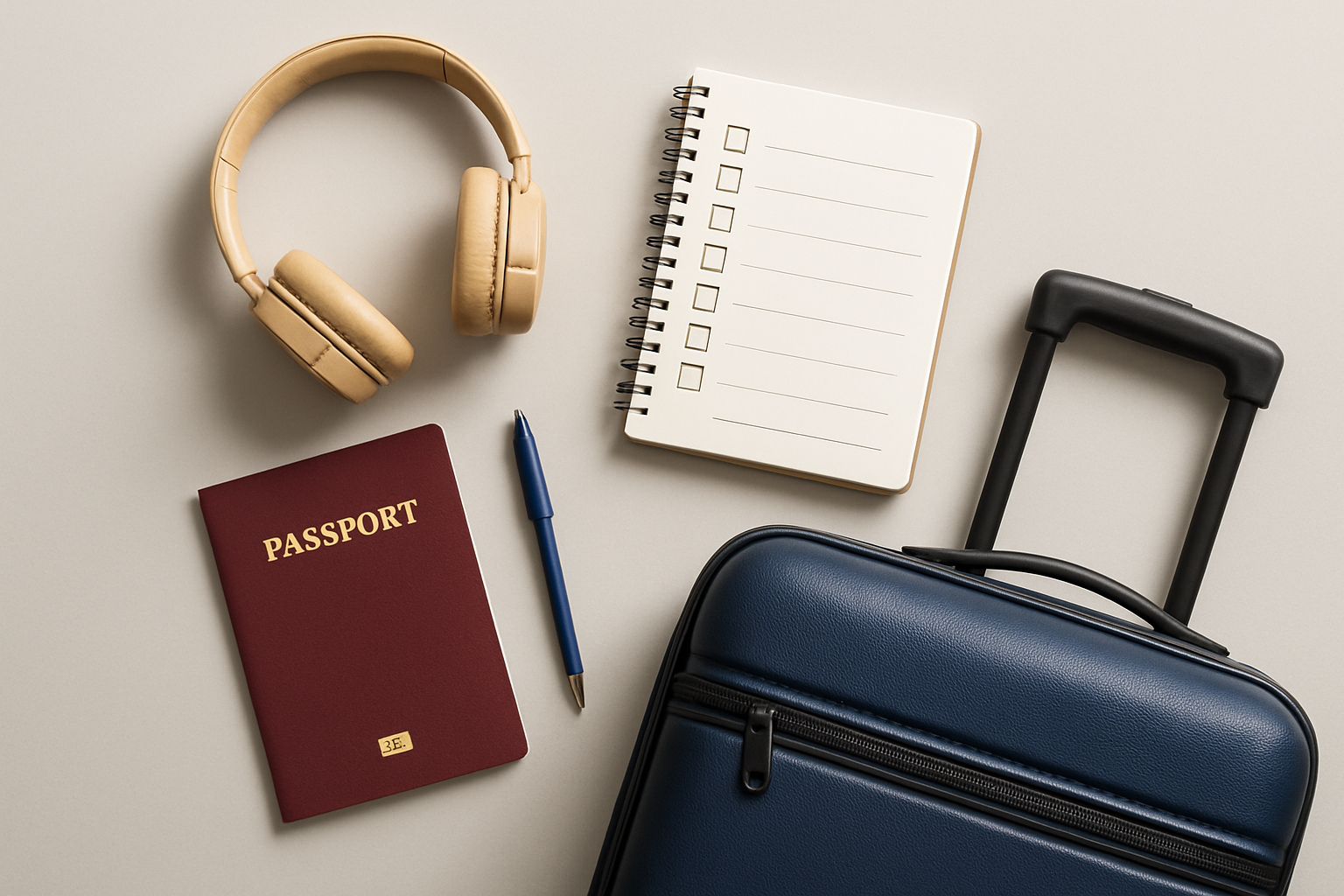
Keep it light. A charged phone, a portable battery pack from Anker or Belkin, water, weather-appropriate layers, a transit card or some cash, and a downloaded map cover most situations without weighing you down. A small crossbody bag or daypack is often easier than carrying something oversized on trains, buses, or long walks through town centers.
A few small extras can save real annoyance later: sunglasses on bright days, tissues when cafés run out of napkins, and a snack for the return journey if you know you’ll be travelling home after dinner time. None of that feels dramatic when you pack it. It feels very dramatic when you don’t have it and your train’s delayed.
Self-guided day trips that usually work well
You don’t need an elaborate destination list to find an easy day out. Certain trip types tend to work well because they naturally guide you from one place to the next without much guesswork.
- Historic town centers with a compact main street, a market square, and clearly signed attractions.
- Coastal or riverside walks where the waterway acts as a natural guide.
- Rail-accessible small cities with a central station and most sights within walking distance.
- Park-and-walk heritage sites where one parking area leads to a looped route.
Historic centers are often ideal because their layouts tend to be legible quickly. Coastal promenades do something similar: follow the water one way, loop back through town another way, and the day basically explains itself. Small cities near stations work well too, especially if the main museum district, cafés, and pedestrian streets are all within ten minutes of arrival.
The common thread is simple: you can understand the layout within ten minutes of getting there.
Where most self-guided plans fall apart
The most common mistake is trying to do too much. Three major sights, a scenic walk, and lunch at a place across town all sound manageable until one bus is late or one attraction has a queue that wraps around the block. Relying on just one transport option causes problems too; if it fails, the whole day gets awkward fast.
Walking time gets underestimated constantly. So does the time spent finding platform changes and buying tickets at machines like those from SNCF Connect, or checking National Rail apps only to see data that doesn’t match your printed notes. People also assume every site will be open exactly when they arrive, then find the gate locked or the last entry already passed.
The most common failure isn’t dramatic. It’s the slow buildup of small delays: one late bus, one closed café, one missed turn, and suddenly the day feels heavier than it should.
A simple checklist for the night before
The night before your trip, confirm transport times and platform details if relevant, save offline maps, check the weather forecast, charge your phone and battery pack, and write down opening hours for the one or two places you most want to see. If you’re using public transport apps like Citymapper or Rome2Rio for planning, open them once while you still have Wi-Fi so nothing catches you off guard in transit.
This usually takes ten minutes, maybe fifteen if you’re being careful. It’s worth doing because small surprises are much easier to handle when they’re still small.
If you want your next self-guided day trip to feel calm rather than crowded with decisions, choose one compact destination this week and plan just three anchor stops before you go—what would they be?