
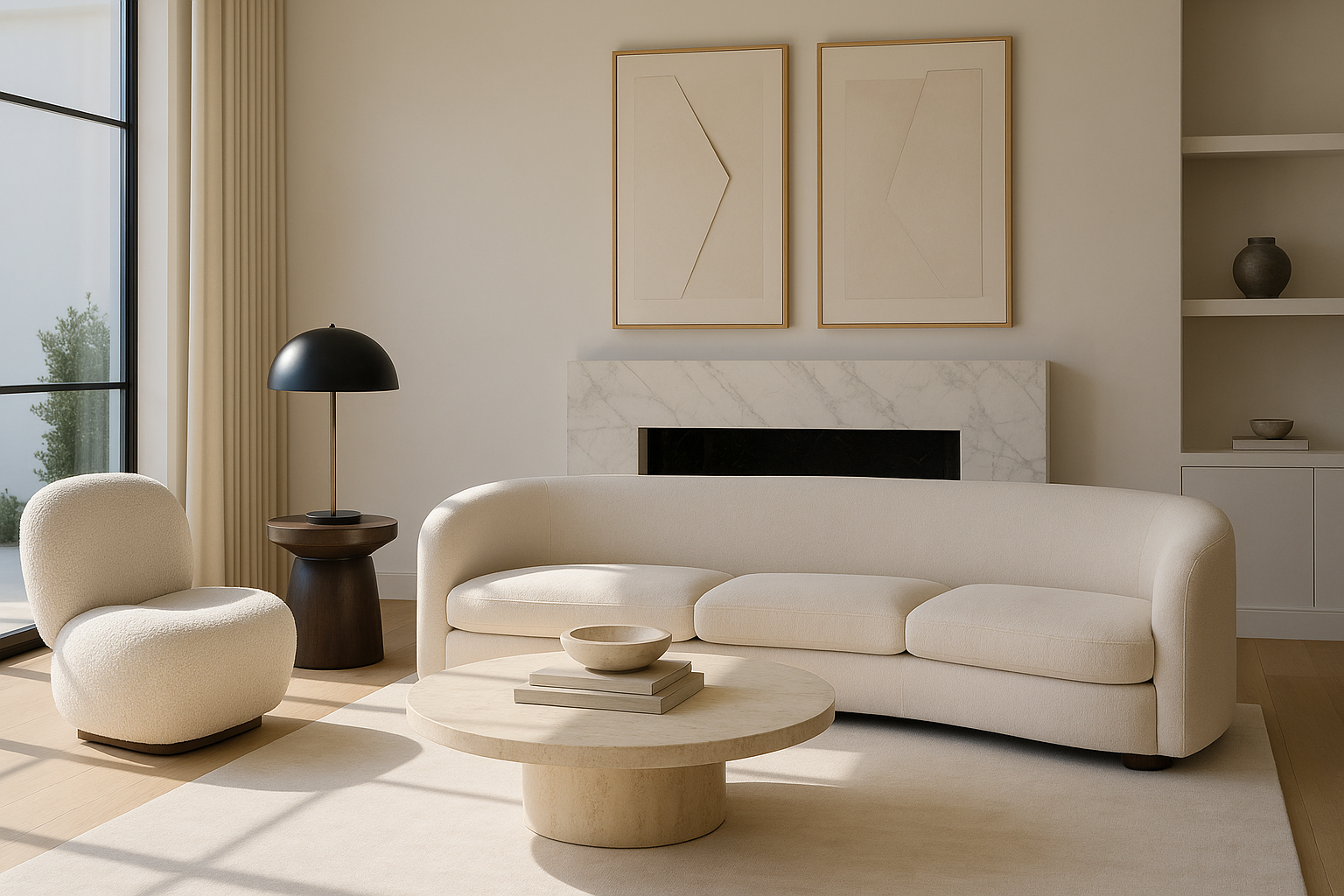
A $20 million kitchen with two islands, a hidden pantry, and a wine wall that looks like art is doing more than showing off. It’s setting the tone for what luxury interiors are supposed to feel like now. Celebrity home interiors usually move faster than the wider market, and the details you see in a star’s house often show up later in luxury condos, custom builds, and high-end renovations.
On this page
- What celebrity homes reveal about modern luxury
- Open-plan spaces, but with better boundaries
- Why celebrity kitchens keep getting larger and more theatrical?
- Where most celebrity interiors get the lighting right
- Materials that make a room feel expensive without shouting
- The real meaning of personalization in high-end homes
- Indoor-outdoor flow: the luxury detail everyone wants now
- A practical way to borrow the look without copying it
This article looks at the specific design choices that keep appearing in celebrity homes, and why they’ve become shorthand for modern luxury. Some of them are impractical for everyday life, sure. But the best ones do more than photograph well. They change how an expensive room feels when you walk into it.
What celebrity homes reveal about modern luxury
Celebrity homes act like a preview of where premium design is headed. Open kitchens, oversized stone slabs, concealed storage, sculptural lighting, and indoor-outdoor continuity show up early in those spaces because the budget allows for experimentation. A celebrity house can test a look before it reaches the wider luxury market.
That’s why these interiors matter. They reveal what affluent buyers want to see: control, privacy, comfort, and a sense that every surface was considered. The most influential examples don’t look loud or overworked. They look intentional.
Open-plan spaces, but with better boundaries
The classic celebrity layout still favors openness: broad sightlines, large living rooms, and easy movement between kitchen, dining, and entertaining areas. The newer version is more disciplined. Designers are using partial walls, pocket doors, arches, and material changes to separate functions without killing the visual drama.
That approach makes a home feel social without making it feel exposed. A double-height living room still creates impact, but glass partitions can soften noise between spaces. A change in flooring can mark off a dining zone from a lounge area without adding a heavy wall. Even a concealed door can make a hallway feel cleaner and more composed.
- Double-height living rooms that anchor the home visually
- Glass partitions that preserve light while reducing noise
- Sliding or concealed doors for flexible privacy
- Subtle flooring changes to define spaces without hard transitions
There’s a practical upside here too. Large open plans can look impressive on camera but feel chaotic when people are actually using them. Controlled openness gives the room structure.
Why celebrity kitchens keep getting larger and more theatrical?
Celebrity kitchens aren’t just for cooking anymore. They’re often the most photographed social space in the house, which explains the scale. Oversized islands, integrated appliances, sculptural hoods, and custom cabinetry make the room feel like a set piece rather than a utility area.
What’s changed is the balance between performance and polish. A modern luxury kitchen has to handle prep, storage, and entertaining while still looking calm when the camera catches it at 7 p.m. after a dinner party. That’s where planning becomes obvious.
Materials that signal quiet wealth
Natural stone, matte finishes, warm wood, and minimal hardware are replacing glossy surfaces that shout for attention. Honed marble from firms like Caesarstone or large-format stone slabs from suppliers such as Neolith give a cleaner look with less visual noise. The result feels richer and more restrained.
That restraint reads as confidence. A marble island with soft veining and a bronze faucet from Waterworks says far more about taste than an overstyled room loaded with shiny finishes.
Hidden function, visible elegance
Walk-in pantries, appliance garages, and concealed prep zones keep the main kitchen polished even when it’s busy. Many high-end kitchens now hide the coffee machine, toaster, and mixer behind pocket doors so the main surfaces stay clear.
Step into one of these kitchens during a party, and you can see how it all works. Plates are warmed in the back kitchen, glassware comes from a hidden cabinet, and the main island stays open for conversation. The room still feels luxurious because clutter never takes over the view.
Where most celebrity interiors get the lighting right
Lighting is one of the clearest markers of modern luxury, and celebrity homes treat it like part of the architecture. The best interiors rely on layers: daylight, recessed lighting, sculptural pendants, wall washers, and a low ambient glow. Brightness alone doesn’t do much. Atmosphere does.
A room can hold expensive furniture and still feel flat if the lighting is harsh or poorly placed. Celebrity homes often look better because the lighting makes materials richer, skin tones softer, and edges less severe. That kind of planning is hard to fake.
Natural daylight usually gets protected first with sheer drapery or motorized shades from brands like Lutron or Somfy. After dark, dimmable recessed fixtures take over, while statement pieces from Apparatus or Lindsey Adelman add shape and personality. The room changes throughout the day instead of staying frozen in one bright mode.
Materials that make a room feel expensive without shouting
The strongest celebrity interiors lean on materials that age well and photograph beautifully. Think stone with dramatic veining, plaster walls, solid wood, boucle, velvet, linen, bronze, and brushed metals. These finishes don’t compete with one another; they build texture and calm.
There’s also been a move away from ultra-polished perfection. Hand-troweled plaster, honed marble, natural wood grain, and softly worn brass suggest craftsmanship. Slight irregularities matter because they keep the room from feeling sterile.
- Honed marble instead of high-gloss stone
- Plaster or limewash walls for softness
- Bronze and aged brass accents
- Upholstery in tactile neutrals rather than loud colors
A velvet sofa in deep olive or charcoal can hold its own against a stone fireplace more effectively than a glossy white sectional ever could. Texture does much of the work here.
The real meaning of personalization in high-end homes
Celebrity interiors are often mistaken for style exercises, but the memorable ones are deeply personal. A custom library, a vinyl room, a wellness suite, or a dressing room designed like a boutique tells you something about the person living there. That personal stamp gives a house identity. (See also: Inside Celebrity Homes)
Modern luxury has moved away from showroom perfection. People want homes shaped around routines, collections, and rituals. A dedicated yoga room with cork flooring feels different from a formal sitting room used twice a year. So does a home office lined with built-ins for books, files, and framed photos.
Signature rooms that define the house
Instead of filling every space with expensive objects, many celebrity homes invest in one or two memorable rooms. A moody screening room with blackout drapery can carry more personality than five neutral guest rooms combined. A spa-like bath with a freestanding tub and stone benches can become the emotional center of the home.
The logic is simple: one strong room stays with you longer than ten polished-but-generic ones.
Art as an interior anchor
Large-scale artwork helps tie everything together. In many celebrity homes, art isn’t an afterthought hung at eye level because there’s empty wall space. It sets proportion, color direction, and mood.
A single oversized canvas above a fireplace or a sculptural piece in an entry hall can make a home feel finished without adding clutter. Gallery-style hanging plans work especially well in double-height spaces where smaller pieces would disappear.
Indoor-outdoor flow: the luxury detail everyone wants now
One of the most influential celebrity home trends is the blur between indoors and out. Floor-to-ceiling doors, terraces that feel like extensions of the living room, and matching stone across thresholds all create that effect. The goal is simple: continuity.
This idea works best when the outside space gets the same attention as the interior. Outdoor sofas are upholstered in weather-resistant fabrics from Sunbrella or Perennials. Dining tables look like real furniture rather than patio placeholders. Fire pits, covered lounges, and outdoor kitchens make the transition feel believable.
The downside is obvious. This look demands climate control, maintenance, and serious budget planning. Large glazed openings need proper shading to stop heat gain, especially in sunny climates like Los Angeles or Miami. Still, when it’s done well, it changes how a house lives for half the year.
A practical way to borrow the look without copying it
If you’re trying to bring celebrity home interiors into your own space, start with one decision instead of five. Change the lighting plan before replacing every finish. Swap glossy surfaces for honed or matte ones where possible. Use concealed storage to clear visual noise from the kitchen or living room.
A concrete example helps here. Say you’re updating a family room with one sofa wall and one fireplace wall. First, replace overhead glare with dimmable recessed lights and one floor lamp with a warm linen shade. Next, add heavier drapery to soften the windows and choose one large piece of art instead of several small frames fighting for attention. The room will feel calmer before you’ve bought any major furniture.
The best celebrity-inspired interiors don’t copy star houses room for room. They borrow the discipline behind them: fewer visible gadgets, better materials under your hands, cleaner lighting, and spaces designed around how people actually use them. If you want to start this week, walk through one room in your home and remove everything that doesn’t earn its place in the view.