
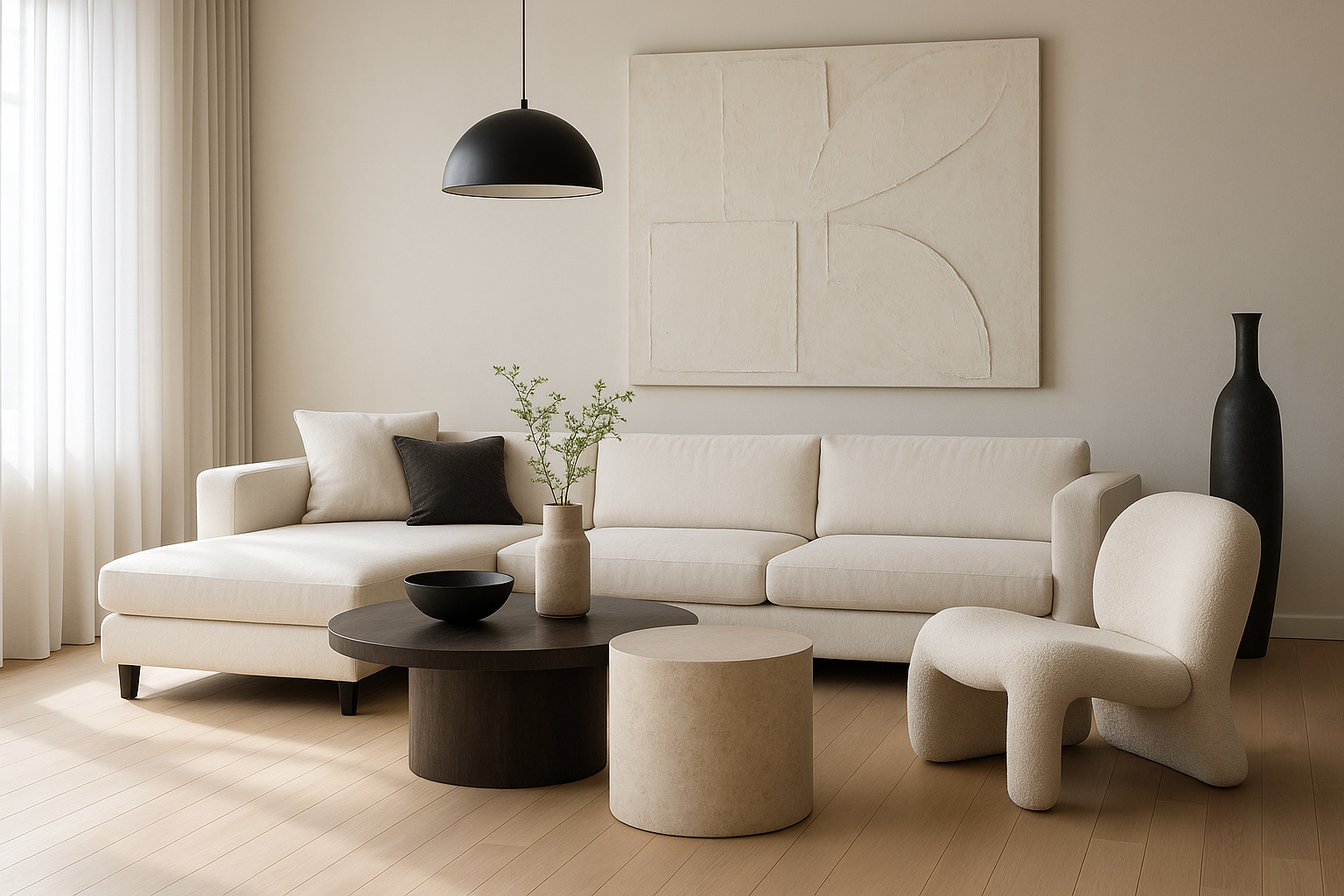
A velvet sofa under a crystal chandelier. A sculptural staircase that looks more like art than architecture. A kitchen so polished it could pass for a showroom. Celebrity homes don’t just aim for comfort; they’re designed to be photographed, remembered, and talked about. So what design choices make them stand out so dramatically?
What this covers
- Why celebrity homes feel instantly memorable
- Statement architecture that sets the tone
- How do celebrity interiors balance luxury and livability?
- Color stories that don’t play it safe
- Where most celebrity-style rooms get their impact
- The role of custom pieces and one-of-a-kind finds
- Lighting choices that change everything
- Art placement that feels curated
- What to borrow without copying the price tag
Why celebrity homes feel instantly memorable
Celebrity interiors tend to have one thing in common: they commit. Instead of playing it safe, they usually lean into a clear point of view, whether that’s old-Hollywood glamour, minimalist calm, or a maximalist mix of color and texture. The result feels intentional, not accidental.
That’s a useful lesson for any home. A memorable space doesn’t need to be huge or expensive, but it does need a strong visual throughline. Repeated materials, a signature color palette, or one statement piece can do more than a room full of trendy decor ever could.
Statement architecture that sets the tone
In many celebrity homes, the wow factor starts before you even reach the furniture. Double-height ceilings, oversized windows, dramatic entryways, and custom staircases create a sense of scale that ordinary homes can’t fake. These features don’t just look impressive; they shape how the entire space feels.
Even in smaller homes, you can borrow the idea by emphasizing one architectural moment. Think arched doorways, paneled walls, built-in shelving, or a fireplace surround with real presence. When the bones of the room are strong, the rest of the design has something to build on.
A simple trim detail can change the whole mood. Picture crisp wainscoting in a dining room, or a fluted plaster hood above a range. Those elements read as custom even when the square footage is modest.
How do celebrity interiors balance luxury and livability?
The best celebrity homes don’t feel like museums. Yes, they’re polished, but they also need to function for real life: family dinners, entertaining, work calls, movie nights, and the occasional dog running through the room. That balance is part of what makes them feel aspirational rather than cold.
Designers often achieve this by mixing high-end finishes with softer, more forgiving choices. A marble island might sit alongside casual upholstered stools. A formal dining room may be paired with relaxed lighting and textured curtains. The room still looks expensive, but it doesn’t feel too precious to use.
That tradeoff matters. Glossy lacquer and polished stone can look stunning in photos, yet they show fingerprints and scratches fast. Many celebrity-style rooms offset that with washable slipcovers, durable upholstery from brands like Perennials or Crypton, and rugs that can handle daily traffic.
Comfort pieces that keep the room human
- Deep-seated sofas and sectionals
- Oversized rugs that soften hard surfaces
- Layered lighting instead of one harsh overhead fixture
- Natural textures like linen, wool, and wood
Materials that photograph well and age well
- Stone with visible veining
- Warm woods with character grain
- Matte metals that don’t feel overly shiny
- Performance fabrics that hold up to daily use
Color stories that don’t play it safe
Celebrity homes often use color with more confidence than typical interiors. Some go moody and saturated, with deep greens, inky blues, or chocolate browns. Others stay neutral but add depth through layered tones of cream, taupe, black, and warm gray. Either way, the palette usually feels deliberate.
One reason these rooms stand out is that they avoid random color choices. Instead of scattering accent shades everywhere, the best spaces repeat a few tones across walls, upholstery, art, and accessories. That repetition makes the design feel cohesive, which is exactly what the eye remembers.
If you’ve ever noticed a room looking expensive without shouting about it, color is usually doing some of the work. Benjamin Moore’s Hale Navy on built-ins, Farrow & Ball’s Railings on cabinetry, or a warm clay tone on one accent wall can all change the mood without making the room feel chaotic.
Where most celebrity-style rooms get their impact
It’s rarely one giant splurge that makes a room unforgettable. More often, the impact comes from a handful of carefully chosen elements: a dramatic light fixture, a custom console, a gallery wall with scale, or a sofa in an unexpected shape. Those are the details people notice first.
Contrast helps too. A sleek kitchen feels more interesting with rustic stools. A minimalist bedroom gets warmth from an antique mirror or an oversized textile.
Those pairings keep a room from feeling flat, which is why celebrity interiors often look layered rather than staged.
A good example is pairing a clean-lined Pierre Yovanovitch-style chair with a rough-hewn coffee table, or placing a vintage Murano glass lamp beside an ultra-modern side table. One piece brings polish; the other adds character.
Design details worth copying at home
- A single oversized art piece instead of many small ones
- Mixed metal finishes used with restraint
- Built-ins painted in a contrasting shade
- One unusual silhouette, like a curved chair or rounded table
The role of custom pieces and one-of-a-kind finds
Custom furniture is a big part of the celebrity-home formula because it solves a common problem: standard pieces don’t always fit unusual spaces, and they don’t always deliver a unique look. A custom banquette, a made-to-measure headboard, or a tailored media unit can make a space feel more refined right away.
That said, not every standout room relies on custom work alone. Vintage finds, artisan-made objects, and limited-edition pieces often add the personality that mass-produced decor lacks. The mix matters. A room full of catalog furniture can feel generic, but a room with just a few distinctive pieces starts to tell a story.
This is where places like Chairish, 1stDibs, and local antique dealers become useful, not just decorative-daydream territory. A brass-and-glass coffee table from the 1970s or an oversized vintage mirror can carry more visual weight than several new accessories combined.
Lighting choices that change everything
Lighting is one of the most underrated features in celebrity interiors, yet it often does the heaviest lifting. Pendant lights, sconces, table lamps, and recessed lighting all work together to shape mood and highlight texture. A room with good lighting feels finished even if it has very little furniture.
The fixture itself matters too. Think sculptural chandeliers in dining rooms, alabaster sconces in hallways, or oversized globe pendants over an island. These pieces act like jewelry for the home, especially when they’re scaled correctly.
Harsh overhead light tends to flatten beautiful design. Layered lighting does the opposite: it softens corners, brings out wood grain and stone veining, and makes evening spaces feel lived-in instead of clinical. If you want one upgrade that changes how a room reads after dark, this is probably it.
Art placement that feels curated
Celebrity homes usually treat art as part of the architecture rather than an afterthought. Large canvases lean against walls in relaxed corners. Black-and-white photography runs in orderly grids down hallways. Sculptural works sit on plinths where they can breathe.
The scale is often what stands out most. Instead of scattering tiny prints across every wall, designers choose pieces that hold their own against high ceilings or large furniture. One oversized artwork above a sofa can anchor the whole room better than ten smaller frames ever could.
There’s also a willingness to mix high and low: contemporary prints beside flea-market finds, museum-worthy abstraction beside family photos in sleek frames. That mix keeps the house from feeling overstyled.
What to borrow without copying the price tag
You don’t need a marble-clad mansion to get the effect of celebrity homes. Start with proportion and consistency. Repeat one material in three places, whether that’s oak cabinetry, brushed brass hardware from Rejuvenation, or linen drapery throughout connected rooms.
Then choose one focal point per space and let it do its job. A sculptural pendant from Schoolhouse over the dining table. A deep green paint color on built-ins. A sofa with curved arms instead of standard boxy lines. Small changes add up when they share a clear point of view.
If you’re planning a refresh this week, walk through one room and remove anything decorative that doesn’t support the overall look. Keep only what fits the palette or adds texture. That single edit often reveals what the room really needs next.