Back to Blog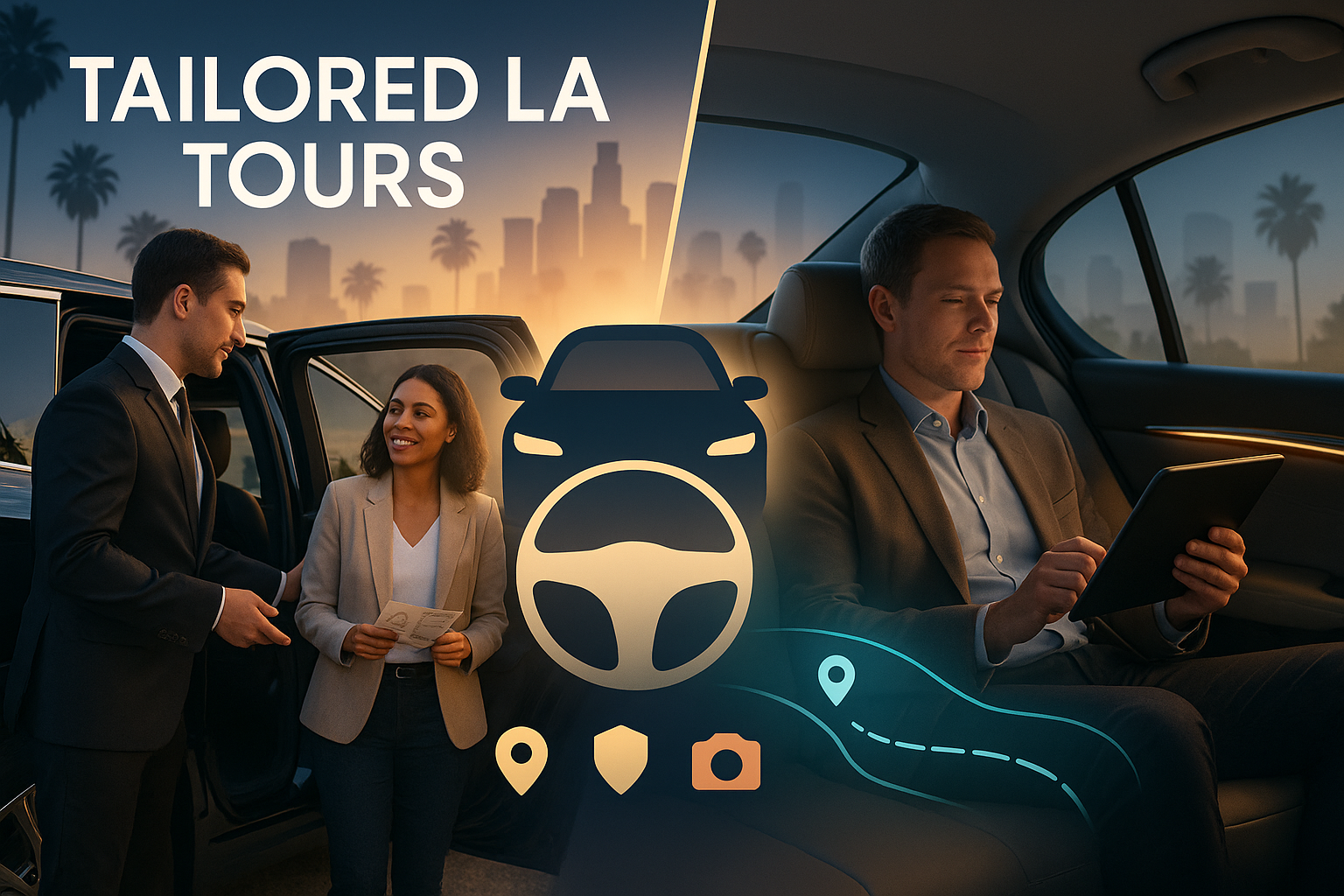
Luxury Tours Los Angeles Personalized: Autonomous and Bespoke Private Touring in 2026
BYG Writers•June 26, 2026•5 min read
Los Angeles is having a very specific kind of travel moment. In 2026, visitors aren’t just looking for a nice itinerary and a clean vehicle. They want control, privacy, and experiences that feel like they were designed for their taste, their schedule, and their social context. That’s why luxury tours Los Angeles personalized options are pulling ahead of traditional group sightseeing right now. At the same time, autonomous mobility is no longer theoretical in LA. Robotaxis and autonomous ride-hail pilots are entering the transportation mix, raising a new question for high-end travelers: when does autonomy enhance the experience, and when does a human-led, story-driven guide matter more?
This post breaks down what’s driving the shift, what “personalized” actually means in practice, and how to choose between chauffeur-led and autonomous tour experiences LA visitors are starting to see on the ground.
## Why this matters in LA’s high-end experience economy
LA has always sold access: access to neighborhoods, studios, views, restaurants, design, wellness, and the soft power of being “in the know.” What’s changed is the baseline expectation. High-net-worth and time-sensitive travelers are less tolerant of friction, and LA has plenty of it:
- Traffic patterns that can destroy a carefully timed day
- Parking and curb access issues, especially in Beverly Hills, West Hollywood, and beach corridors
- Venue constraints (timed entries, reservation-only dining, limited-capacity tastings)
- Safety and privacy considerations around celebrity-adjacent areas
- The gap between “luxury vehicle” and “luxury experience”
Personalization is the antidote to that friction, but it’s also a signal. For many guests, a premium vehicle isn’t just transport. It’s part of the status narrative, the comfort plan, and sometimes the content strategy (photos, social posting, brand-aligned aesthetics).
Meanwhile, the transport layer is evolving. The LA area is seeing continued movement from major players in autonomous ride-hail and robotaxis, which is changing how people think about point-to-point movement. When autonomous vehicles become more common, the “car” becomes a platform: a controlled environment for rest, calls, and curated media, not just a way to get from A to B. That has direct implications for tours.
But here’s the nuance: a truly high-end tour isn’t only a vehicle and a route. It’s context. It’s storytelling. It’s real-time judgment when a street is blocked, a hotspot is overcrowded, or a guest pivots from “architecture” to “film locations” mid-morning. That’s why luxury tours Los Angeles personalized offerings are trending toward two models: deeply guided boutique experiences, and autonomy-augmented touring where AI handles orchestration and guests choose how much human interaction they want.
## How to build a genuinely personalized luxury tour in Los Angeles
If you’re booking for yourself, your partner, clients, or an executive team, personalization should be more than swapping a stop on an off-the-shelf route. Use the steps below to pressure-test whether a tour is truly bespoke.
### 1) Start with outcomes, not attractions
Most tours lead with places. The best luxury itineraries lead with goals. A fast alignment call or intake should clarify:
- Mood: relaxed, high-energy, “see it all,” or minimal transitions
- Interests: design, fashion, film, art, food, architecture, car culture, wellness
- Privacy level: low-profile vs “VIP-visible”
- Pace: continuous movement vs long, seated experiences
- Content needs: photography-friendly moments, golden hour timing, clean backgrounds
A good operator can then translate those outcomes into a route that makes sense with LA geography and traffic.
### 2) Treat traffic as a design constraint, not an inconvenience
In LA, timing is part of luxury. A personalized plan should be built around realistic movement windows and optionality.
Look for itineraries that include:
- Geographic clustering (Westside day, Eastside day, Malibu day) rather than zig-zagging
- “Anchor reservations” (a lunch, a tasting, a museum slot) with flexible fill-in stops
- Alternate routes and backup stops in case of delays
- Planned comfort breaks (bathrooms, coffee, short walks) that don’t feel like compromises
If a tour company can’t explain how they handle traffic, they’re selling a route, not an experience.
### 3) Decide what kind of luxury vehicle experience you’re buying
“Luxury vehicle” can mean very different things. In LA’s premium tour market, guests are commonly choosing among:
- Flagship sedans and SUVs for quiet comfort and privacy
- Premium vans for families or groups that want space without feeling like a shuttle
- Exotic and supercar experiences when the vehicle is part of the identity of the day
- Chauffeur-led vs autonomy-forward transport (as availability expands)
When comparing options, ask specific questions:
- How is the vehicle spec’d (seating, climate zones, sound isolation)?
- What’s the luggage capacity if you’re coming from a hotel check-out?
- Can the route accommodate low-clearance vehicles if you’re doing a supercar day?
- Who is accountable for curb access, valet strategy, and pickup precision?
This is where luxury tours Los Angeles personalized providers differentiate themselves: they operationalize the details so the guest doesn’t have to think.
### 4) Make “exclusivity” concrete
Exclusivity isn’t a vague promise. It should show up as tangible access, comfort, and control, such as:
- Private tastings or after-hours museum moments (when available)
- Reservations at hard-to-book restaurants matched to your dietary preferences
- Neighborhood access with context (not just driving past gates)
- Guide/host relationships that create smooth entry and respectful behavior
If a tour claims exclusivity, ask what that means in practice for that day and time window.
### 5) Prioritize story over trivia
High-end guests don’t want a stream of facts. They want a narrative that matches their interests.
Examples of story-driven personalization:
- Film history told through specific locations and production decisions
- Architecture tours tied to design movements and local zoning realities
- Celebrity culture framed through media economics and privacy etiquette
- Food and wellness tours connected to LA’s immigrant and health communities
A strong host will also know when to stop talking. Quiet is a feature for many luxury travelers.
### 6) Choose the right balance: human-led vs autonomous
As autonomous tour experiences LA options emerge, consider what you’re optimizing for:
Human-led is best when you want:
- Real-time storytelling and social intelligence
- Access management and on-the-ground judgment
- A host who can adapt the day based on your mood
- Guidance on etiquette, photography, and privacy-sensitive areas
Autonomous-forward is best when you want:
- A quiet, controlled cabin for calls, rest, or music
- Highly predictable routing with minimal social interaction
- Efficient point-to-point touring with AI-driven timing
- A “self-directed” pace where you can pause and resume
Many premium itineraries will blend the two: a guided half-day for context and access, followed by autonomy-supported movement between curated stops.
### 7) Build in “friction buffers” without feeling padded
Luxury planning isn’t about packing more in. It’s about eliminating stress.
Ask whether the itinerary includes:
- Time buffers before reservations
- A backup indoor option if weather or crowds change the plan
- A clearly defined end-of-day strategy (return to hotel, sunset stop, dinner drop-off)
This is also where an AI itinerary manager can help keep the day coherent without constant texting and re-routing.
### 8) Vet safety, privacy, and permits like a professional
Busy founders and IT leads often appreciate a checklist approach. Use this when evaluating providers:
- Insurance coverage appropriate for premium transport
- Driver/host vetting and training
- Clear privacy policy (photos, guest data, location sharing)
- Local knowledge on restricted areas and respectful viewing practices
- Transparent cancellation and weather policies
If you’re coordinating for executives or clients, these basics matter as much as the itinerary itself.
## Tools, platforms, and real use cases (including AI-assisted touring)
Personalization at scale requires more than a good guide. It requires systems that gather preferences, route intelligently, and keep the day running smoothly.
### AI-assisted itinerary design and orchestration
Where AI helps most is in translating “what we want” into “what we can do today,” given constraints like traffic, reservations, and distance.
Practical uses:
- Preference intake: collecting interests, pace, dietary needs, must-sees, and no-go zones
- Dynamic routing: adjusting the order of stops based on time-of-day and real-time delays
- Context delivery: giving guests the right amount of story at the right moment (audio, text, or host prompts)
- Coordination: keeping pickup/drop-off, reservation times, and contingency plans in one place
If you’re looking at BYG TOURS AI as part of your planning stack, the most helpful mindset is: use it as the operations brain, not a replacement for taste. For example, BYG TOURS AI can help structure a luxury tours Los Angeles personalized itinerary around your priorities, then keep the schedule coherent when things shift.
You can also browse related planning ideas and local guidance on the BYG TOURS AI site here: https://WelcometoLA.app.
### Autonomous mobility as a touring layer
As autonomous ride-hail and robotaxi availability expands in LA, expect more “autonomy-optional” touring. This has a few near-term use cases:
- Quiet executive touring between meetings with curated stops in between
- Self-directed photo and shopping loops where you control dwell time
- Late-night returns where you want predictable point-to-point transport
However, autonomy has constraints: service areas, pickup rules, and occasional edge cases with traffic control or complex curb situations. For luxury tours, the best operators will be honest about where autonomous tour experiences LA offerings fit and where a professional chauffeur still provides a smoother day.
For context on how robotaxi services are developing locally, the Los Angeles Times has ongoing reporting worth scanning: https://www.latimes.com/business/story/2026-05-28/waymo-launches-services-with-cheaper-robotaxis-in-los-angeles
### Concrete scenarios (how this plays out for real travelers)
1) The “Beverly Hills + West Hollywood” half-day for a couple
- Goal: shopping, design, and a relaxed lunch
- Personalization: hotel pickup, time-boxed shopping blocks, one standout architectural stop, and a reservation aligned to dietary preferences
- Transport choice: chauffeur-led for curb management and neighborhood context
2) The “film and culture” day for visiting executives
- Goal: meaningful LA context without tourist vibes
- Personalization: film history through locations that support the narrative, minimal walking, quiet cabin time between stops
- Transport choice: mix of guided segments and autonomy-forward point-to-point movement
3) The “supercar identity day” for a milestone trip
- Goal: the vehicle is the experience
- Personalization: route selection based on road quality, photo pull-offs, and timing to avoid congestion
- Transport choice: human-led coordination is often critical for logistics and safety
4) The “family luxury” day with kids and grandparents
- Goal: comfort, bathrooms, shade, and no rushing
- Personalization: clustered stops, shorter walking distances, built-in breaks, flexible end time
- Transport choice: premium van/SUV with a calm host; autonomy may work for simple transfers but usually not for a full family day
Across these examples, the pattern is consistent: luxury tours Los Angeles personalized experiences win when the provider can design around real constraints and the guest’s actual preferences, not a generic checklist of landmarks.
## Conclusion and next steps
LA’s luxury tour market is shifting toward two expectations that aren’t going away: true personalization and smarter mobility. Visitors want a day that feels tailored, not merely upgraded. And with autonomous options entering the mix, the best experiences will be the ones that deliberately choose where autonomy adds calm and where a human host adds meaning.
If you’re evaluating providers, focus on the operational signals: how they handle traffic, how they define exclusivity, how they protect privacy, and how they adapt when plans change. When those pieces are solid, luxury becomes practical, not performative.
If you’re exploring this for your team or planning a high-stakes visit, BYG TOURS AI can help you map preferences to a real, workable itinerary and keep the day organized as conditions shift. Need help connecting your plans, reservations, and transport into one smooth experience? Let’s talk. Want to automate this process? Book a free consult.
Ready to explore LA?
Book one of our premium tours and experience the city like never before
Explore Tours